






Preparing your home for fall involves completing maintenance tasks before colder weather arrives. This includes cleaning eavestroughs, checking your roof and drainage, winterizing outdoor faucets, inspecting windows and doors, and maintaining heating and ventilation systems.
For homeowners in Kitchener-Waterloo and surrounding communities, outdoor maintenance should be completed in early to mid-fall, before freezing temperatures arrive.
While every home requires seasonal maintenance, priorities can vary depending on the home’s age and construction. Older homes may need additional attention to worn materials, drafts, and aging equipment, while newer homes often have better insulation, high-performance windows, and more efficient heating systems. That said, even newly built homes require regular maintenance to keep these systems working properly.
When Should You Start Preparing Your Home for Fall in Ontario?
September through November is a good time for homeowners in Kitchener, Waterloo, Cambridge, and surrounding areas to complete outdoor maintenance. This could include cleaning eavestroughs, checking drainage, and winterizing outdoor plumbing before freezing temperatures arrive.
Indoor maintenance, including checking furnace filters, cleaning ventilation systems, and testing safety equipment, can be completed as soon as you turn on your furnace. Rather than completing everything in one weekend, focus on protecting your home from moisture first, preparing your heating systems next, and addressing smaller maintenance concerns before winter arrives.
Keep Water Away From Your Home
Fall brings falling leaves, rain, and changing temperatures, making proper drainage one of the most important areas of seasonal home maintenance.
Clean Your Eavestroughs and Downspouts
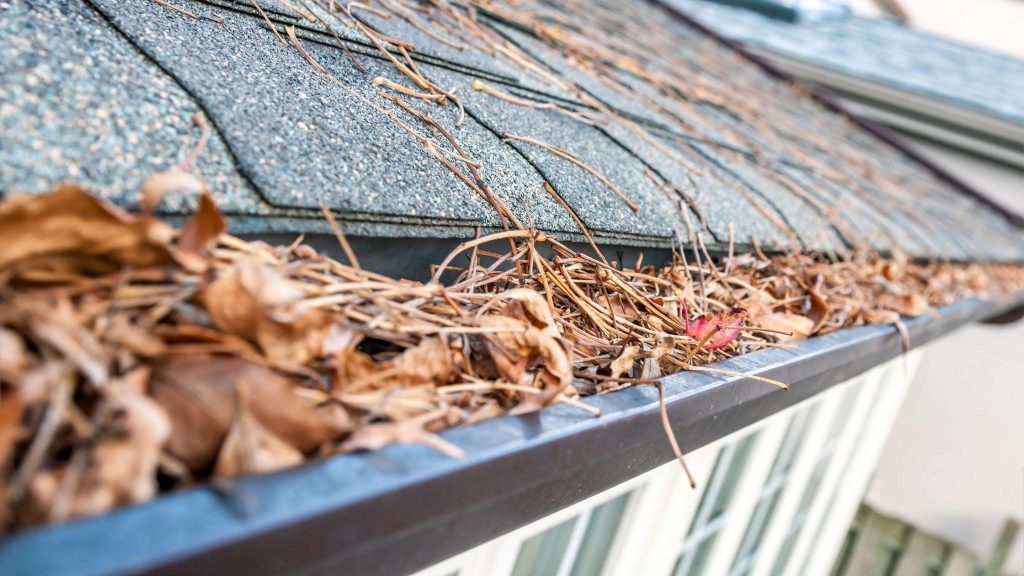
Leaves, branches, and debris can quickly accumulate in eavestroughs, especially in established Kitchener-Waterloo neighbourhoods with mature trees. When eavestroughs become clogged, water may overflow and collect around your home’s foundation. Before winter arrives, remove debris from your eaves and check that your downspouts are clear and directing water away from the house.
Check Your Roof for Damage
As part of your home maintenance checklist, inspect your roof from the ground for visible signs of damage, such as missing shingles, loose flashing, or other areas where water might pool. Older roofs especially may be more susceptible to weathering and deterioration. Also, newer roofs should not be overlooked. High winds, falling branches, and severe weather can affect roofs regardless of their age. If you notice damage or leaking, call a qualified roofing professional for a closer inspection.
Pay Attention to Drainage Around Your Foundation
Walk around your home after rainfall and look for areas where water is pooling near the foundation. Your property’s grading, as well as the home’s downspouts, should help direct surface water away from the house. If you live in a newly built home, this step is particularly important during the first few years. Soil around a new foundation can settle as it compacts, potentially creating low areas where water collects.
Keep an eye on changes in grading and landscaping, and refer to your builder’s homeowner guidelines before making significant changes to the property.
Protect Your Outdoor Plumbing Before Freezing Temperatures
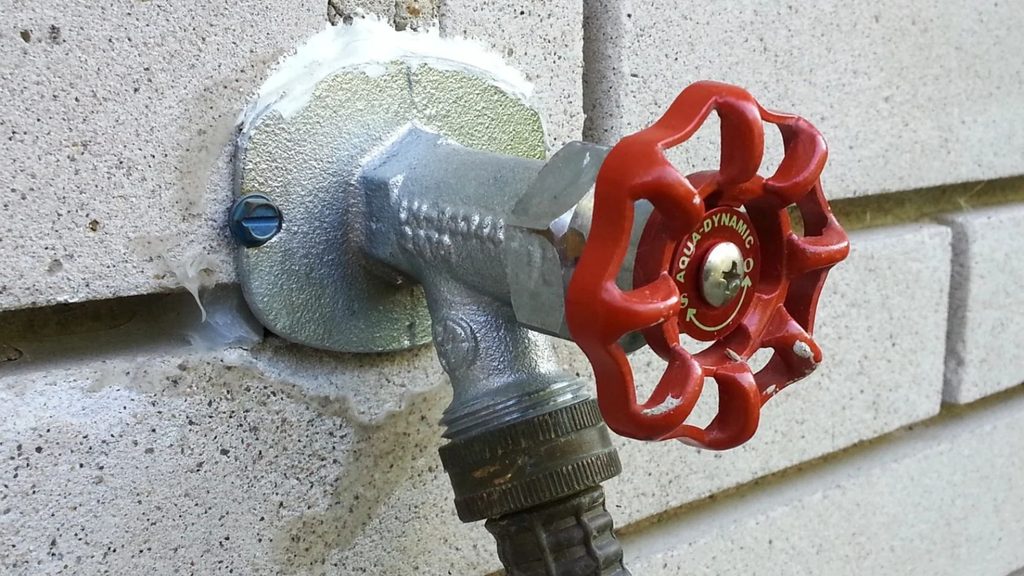
One of the easiest ways to prepare your home for fall is to make sure exterior water lines are winter-ready. Disconnect garden hoses, drain outdoor watering equipment, and winterize exterior faucets according to your home’s plumbing configuration. If your outdoor faucet has a dedicated interior shut-off valve, shut off and drain that exterior line. Not every faucet is designed the same way, so it’s important to follow the instructions for your particular system.
Protecting your outdoor plumbing is important for both older and newly built homes. Taking care of outdoor plumbing before freezing temperatures arrive can help prevent burst pipes and avoidable water damage.
Check Your Windows and Doors for Drafts
As temperatures drop, inspect your windows and exterior doors for damaged seals, deteriorating caulking, or noticeable drafts. Even small gaps around windows and doors can allow warm air to escape, affecting indoor comfort and making your heating system work harder. In an older home, drafts may be caused by aging windows, worn weatherstripping, or gaps that have developed over time. Replacing damaged seals or caulking may help reduce unwanted air leakage.
Do New-Build Homes Need the Same Checks?
Newer homes are often constructed with more advanced insulation, improved air sealing and higher-performance windows. These features can help reduce heat loss and maintain more consistent indoor temperatures. For example, Activa’s Net Zero Ready homes feature enhanced insulation and high-performance windows designed to help improve energy efficiency and year-round comfort. This means homeowners may experience fewer of the draft-related issues commonly associated with older properties, but seasonal inspections are still worthwhile.
Even newer windows and doors can require adjustments or maintenance over time. If you notice a draft or a window that no longer closes properly in a recently built home, check your homeowner documentation for warranties before attempting significant repairs. Caulking and sealants deteriorate under normal wear and weather conditions. Regularly inspect and maintain these areas.
Prepare Your Heating and Ventilation Systems
As temperatures cool across Waterloo Region, your home’s heating and ventilation systems begin working more frequently. A little attention before winter can help keep these systems operating effectively.
Check and Replace Your Furnace Filter
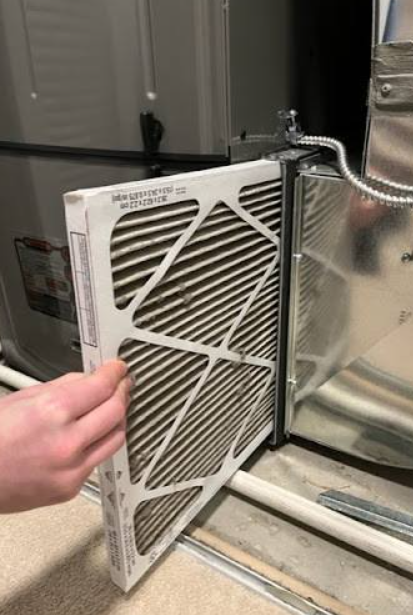
Inspect your furnace filter and replace it according to the manufacturer’s recommended schedule. A dirty filter can restrict airflow, reducing the effectiveness of your heating system, and potentially place unnecessary strain on equipment. It’s also worth checking that heating vents and return-air grilles are clear of furniture, rugs, and other obstructions. If your furnace is older, hasn’t been serviced recently, or you’re noticing issues, consider having an HVAC specialist perform an inspection before winter.
Clean Your HRV or ERV
Many newer homes include a Heat Recovery Ventilator (HRV) or Energy Recovery Ventilator (ERV). These systems help exchange stale indoor air with fresh outdoor air while recovering some of the energy that would otherwise be lost through ventilation. Because newer energy-efficient homes are often built with tighter building envelopes, mechanical ventilation plays an important role in maintaining indoor air quality.
For example, select Activa homes feature an ERV and high-efficiency furnace as part of their energy-efficient design. If your home has one of these systems, check the filters and clean accessible components according to the manufacturer’s instructions. This may include inspecting the exterior intake and exhaust openings for obstructions.
For new-build homeowners, understanding how your ventilation system operates is one of the most useful things you can do during your first fall in the home.
Test Your Sump Pump and Check for Moisture
If your home has a sump pump, fall is a good time to ensure it’s operating properly. Make sure the discharge system is clear and operating as intended. You should also inspect your basement for signs of unwanted moisture, like water stains or persistent musty odours.
In newly built homes, some moisture-related changes can occur as construction materials continue to dry. This makes it important to monitor indoor humidity and follow your builder’s recommendations for ventilation and moisture management.
What Fall Maintenance Is Different for a New-Build Home?
While newer homes may have advantages when it comes to energy efficiency and the condition of major building components, the first year of homeownership introduces a few maintenance considerations that are less common in established homes.
Monitor Settling and Grading
Soil around a newly built home can continue settling after construction. This may affect landscaping, drainage, and the areas surrounding the foundation. Check for changes after heavy rainfall and contact your builder if you notice significant settlement or drainage concerns.
Manage Indoor Humidity
Winter tends to be a dry season, so humidity will drop. Purchase a humidifier to add extra moisture into the air to combat this extremely dry season, if required. Moisture levels in the home are of great consideration in the first few years of a new build. There will be above average moisture in the first summer months due to new building materials. Please use the tools provided and consider purchasing a dehumidifier or humidifier as needed. Monitor your humidity levels closely to maintain a healthy moisture environment.
Understand Your New Home Warranty
If you’ve recently purchased a new home in Ontario, familiarize yourself with your Tarion warranty coverage and applicable submission deadlines. Some issues may be eligible for warranty coverage, while regular homeowner maintenance remains your responsibility.
For Activa homeowners, your homeowner documentation and the resources available through Tarion can help you understand recommended maintenance, warranty coverage and how to report concerns. Fall is a good time to review these materials, particularly if it’s your first change of season in your new home.
How Can an Energy-Efficient New Home Make Fall Maintenance Easier?
One of the advantages of a modern, energy-efficient home is that they are designed to improve comfort and reduce energy consumption. Depending on the home, these may include improved insulation, high-performance windows, enhanced air sealing, and energy-efficient heating and ventilation equipment.
Activa builds ENERGY STAR® certified and Net Zero Ready homes in Waterloo Region, with features designed to support year-round comfort and energy efficiency. However, energy efficiency does not eliminate the need for maintenance. A high-efficiency furnace still needs filter changes, an ERV still requires cleaning, and every home needs proper exterior drainage.
Get Your Home Ready for the Colder Months Ahead
Preparing your home for fall is ultimately about protecting it from moisture, cold weather, and avoidable wear. For homeowners in Kitchener-Waterloo, Cambridge and surrounding communities, cleaning eavestroughs, checking drainage, protecting outdoor plumbing and maintaining heating systems before winter can help prevent small issues from becoming larger problems.
If you live in a new-build home, remember that newer materials and energy-efficient features can offer advantages, but paying attention to grading, humidity, ventilation, and first-year maintenance is equally important.